
How many porta potties do I need for my site?
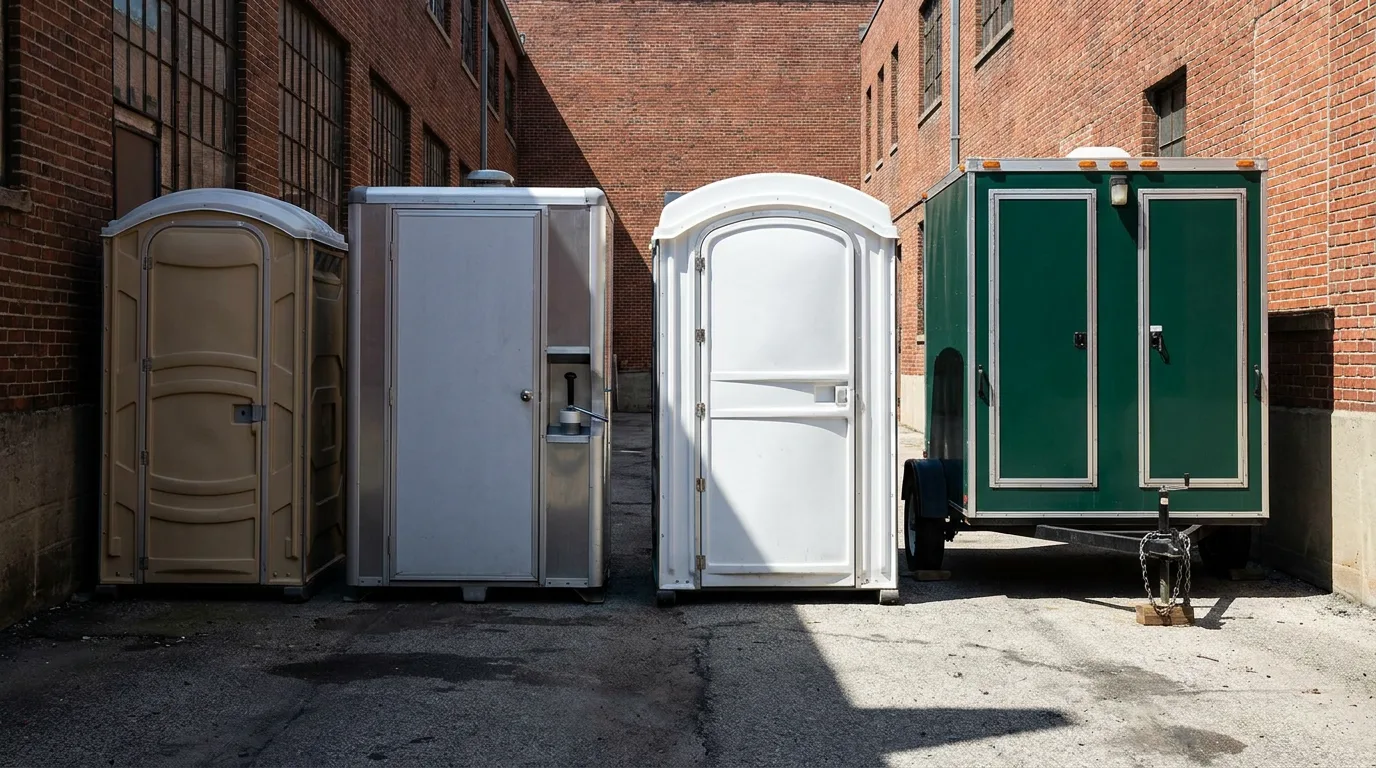
Start with headcount and duration, not guesswork. OSHA 1926.51(c) sets the baseline for construction crews: 1 toilet for 20 workers or fewer, then 1 toilet seat and 1 urinal per 40 workers once you pass 20, and 1 per 50 once you hit 200 or more. Farms and ag operations follow a different rule, 1928.110, which calls for one facility per 20 hand-labor workers within a quarter mile walk. Events run on headcount and hours, not a fixed ratio, so a wedding at 150 guests needs different math than a two-day festival. If you are unsure which category applies, how many porta potties do I need walks through the math step by step, and OSHA portable toilet requirements breaks the ratio table down further. Add one ADA-compliant unit per cluster regardless of headcount; ADA Standards 213.2 requires at least 5 percent of clustered single-user units to be accessible, never fewer than one. Sunrise Manor sites near Nellis AFB, 6.7 miles north, sometimes need extra units for base-adjacent contractor crews, so plan headcount early.
What size and placement does the unit need?
A standard unit runs about 44 by 48 inches on the ground and stands roughly 92 inches tall, so measure your placement spot before delivery day, not after the truck arrives. ADA units need more room: a 60 inch turning circle under ADA Standards 304.3.1, a 32 inch clear door opening per 404.2.3, and a 36 inch clear path per 403.5.1. Ground has to be flat, firm and stable, matching ADA Standards 302.1, which also matters for standard units on gravel or dirt lots around Sunrise Manor. If a dumpster is going in alongside your restrooms, remember a roll-off delivery needs about 60 feet of straight clearance behind the truck; check dumpster sizes and dimensions before you finalize the layout. For placement near curbs, driveways, or sidewalks, the porta potty placement guide covers spacing, and porta potty permit requirements covers what to confirm with the city before delivery, since right-of-way placement needs verification with Sunrise Manor before you set a date.
Is a permit required before delivery?
Maybe, depending on where the unit sits. Placement on private property, behind a fence line or inside a job site, usually does not trigger anything extra. Placement in the public right of way, on a street shoulder or a sidewalk strip, needs confirming with the city; we are not naming a specific ordinance here because that detail has to come from Sunrise Manor directly, not from a guess. Call ahead and ask before you commit to a delivery window. This same rule applies to temporary fence rental and storage container rental placement, so if you are renting more than one type of equipment for one job, check all three at once. Sunrise Manor Porta Pros can hold a delivery date while you confirm, which saves a rebooking headache later. If your job also needs crowd control barrier rental for pedestrian routing, that falls under the same right-of-way question.
What about service, water and handwashing?
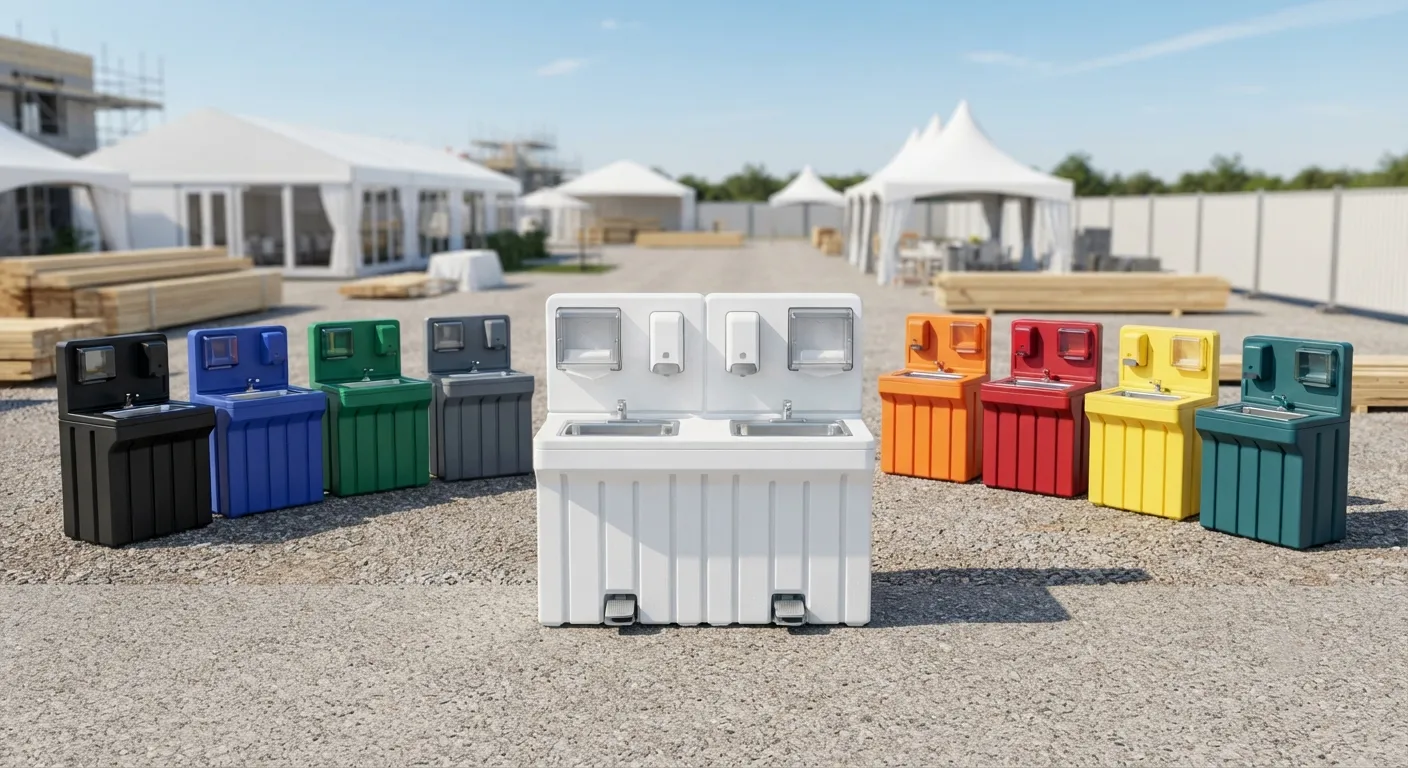
Service interval matters as much as unit count. ANSI/PSAI Z4.3 sets a baseline of one service visit per week for up to 10 users across a 40 hour week; busier events need more frequent pumping. OSHA 1926.51(a)(1) requires potable water at all places of employment, and if your crew is applying paints, coatings, herbicides or insecticides, 1926.51(f)(1) requires washing facilities on top of that, separate from a general handwashing setup. 29 CFR 1910.141(d)(2) requires soap and a towel or drying device at any handwashing station; a hand sanitizer stand alone does not satisfy it. If your crew works with chemicals or coatings, look at handwashing station rental or a portable sink rental instead of a sanitizer-only stand, and see handwashing requirements for the full breakdown. Grease-heavy job sites, like food trucks or catering builds, should check grease trap pumping too, since interceptors get pumped once fats, oils, grease and solids hit 25 percent of liquid depth.

Checklist by unit type
| Item | Standard | ADA | Deluxe/Flushable |
|---|---|---|---|
| Day rate range | $100-$350 | $200-$400 | $85-$1200 |
| Week rate range | $130-$500 | $120-$240 | $150-$290 |
| Ground footprint | 44 x 48 in | needs 60 in turning circle | varies by model |
| Best for | crews, general events | any cluster, code compliance | weddings, upscale events |
For a longer job, compare weekly against monthly using monthly porta potty rental, and check porta potty rental cost or porta potty rental per day if you are still pricing out a shorter window. If your event calls for something nicer than a standard unit, deluxe flushable porta potty and luxury restroom trailer are both worth a look, and ADA accessible porta potty covers compliance units specifically.
How far ahead should I book?
Book 5 to 7 days out for standard jobs; book 2 to 3 weeks out for weekend events or anything needing an ADA cluster. Weekend demand runs tighter across Sunrise Manor and nearby Whitney, 7.4 miles south, and Winchester, 7.6 miles southwest. Last-minute needs still get handled through emergency porta potty rental.
Do I need an ADA unit even for a small event?
Yes, if the public attends. ADA Standards 213.2 requires at least one accessible unit per cluster, no matter how small the guest count is. Check ADA restroom requirements for the full standard before you finalize your order.
What happens if I underestimate headcount?
Units run out of capacity fast and service intervals fall behind, causing odor and complaints. Order slightly high rather than exact; a spare standard unit costs far less than a mid-event emergency swap through emergency septic service.
Can I mix standard and deluxe units on one site?
Yes. Many job sites and events pair standard units for crew with deluxe or trailer units for guests or supervisors. See restroom trailer rental for stall counts if you are considering that route.
Does winter change anything on this checklist?
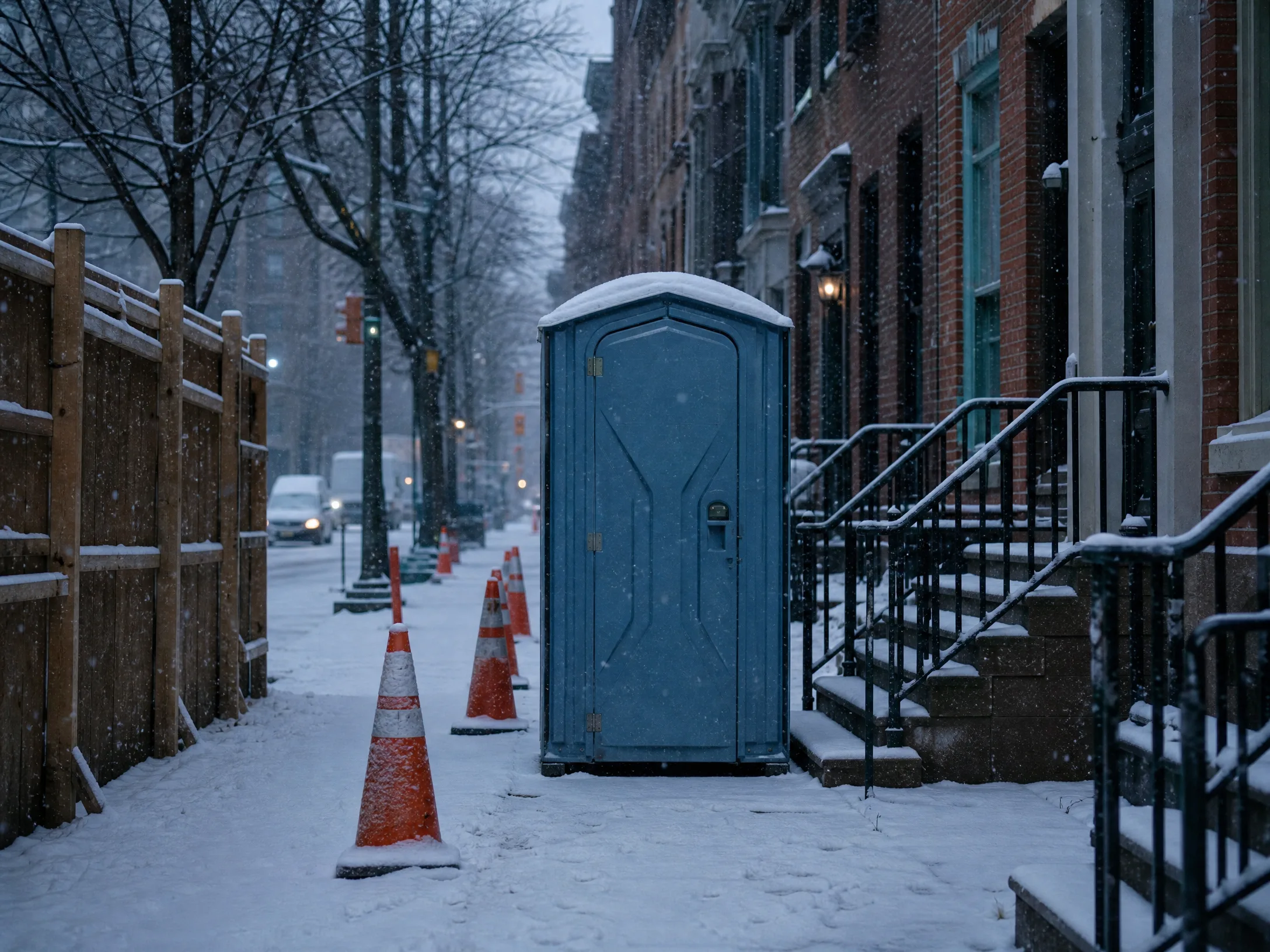
Yes, freezing temperatures affect tank chemistry and servicing schedules. Check porta potty in winter before locking a delivery date if your project runs into the colder months.
Next step
Get a delivery date
Tell us the address, the dates and the headcount. We size the order and confirm the route.